
“Smart Cities” sounds like hype. Like one of those headlines that makes you roll your eyes and keep scrolling.
But I’ve watched this shift up close, city by city, and the weird part is how fast it can feel once the pieces are in place. Not because crime magically decreases. Not because a camera scares everyone straight. It’s simpler than that.
Cities are finally getting good at noticing things early.
A fight that’s building. A car that’s about to run a red light. A gunshot that people won’t call in because they don’t want to get involved. A flooded underpass. A crowd surge at a festival. A streetlight outage that creates the perfect pocket for trouble.
Smart sensing is basically the nervous system upgrade. More signals. Faster interpretation. Quicker response.
And yes, in some deployments, public safety outcomes have improved by around 30% in targeted areas, especially where the baseline was chaotic and response times were slow. Not everywhere, not all at once. But enough that city managers are paying attention now.
Smart city safety tech that actually works (not the sci fi version)
When people hear “smart city,” they picture cameras on every pole and a control room watching everyone. That’s the cartoon version.
Real smart sensing is more boring. And that’s good.
It’s a mix of sensors that detect specific patterns and anomalies, then send alerts to the right team. Sometimes that’s police. Often it’s traffic ops, EMS, fire, public works, or private security depending on the problem.
The big change is this: cities don’t have to wait for a human to call something in, describe it badly, and hope the right unit shows up.
Sensors can see, hear, measure, and log. The city can react with less guessing.
IoT sensors for crime prevention and faster response times
Let’s talk about the stuff that moves the needle first.
Acoustic detection is one of the clearest examples. Gunshot detection systems can triangulate the source in seconds and push a location to dispatch. In many places, those shots never get reported. People duck, they move on. So the “first report” is sometimes a sensor, not a resident.
Then there’s smart lighting. Not just brighter bulbs. Systems that detect outages instantly, adjust brightness by time and foot traffic, and reduce those dead zones where bad things tend to cluster. Lighting is a boring lever for safety, but it’s real.
Environmental sensors also matter more than people think. Air quality spikes can indicate a fire or chemical release. Flood sensors catch a rising underpass before cars get stranded. These aren’t “crime” problems, but they are public safety problems, and cities are finally treating them that way.
And there’s a quieter category: predictive maintenance. When a city spots failing infrastructure earlier, you get fewer accidents. Fewer dark intersections. Fewer broken signals. Fewer moments where people improvise and get hurt.
AI-powered video analytics in public spaces (with less human watching)
Yes, cameras are part of it. But the difference now is what the camera does.
Old model: record footage, maybe review it later, hope it helps after something goes wrong.
New model: analyze patterns in real time.
Modern analytics can flag things like:
- A person lying motionless on a sidewalk for too long
- A crowd forming rapidly where crowds don’t usually form
- A vehicle driving the wrong way
- Someone entering a restricted area
- An abandoned object in a transit hub
This is not perfect. It gets false alarms. It needs tuning. But when it’s deployed in a tight, focused way, you can cut the time between “incident begins” and “someone responds.”
That’s where the safety bump comes from. Not just catching perpetrators. Sometimes it’s getting medical help to the right place before things turn fatal.
Real-time traffic monitoring to reduce collisions and pedestrian deaths
Traffic is a huge part of “city safety,” even though it’s not as dramatic as crime.
Smart sensing on roads is making some cities noticeably less dangerous, mostly through:
Connected intersections. Sensors detect vehicles, bikes, and pedestrians more accurately than old induction loops. Signals can adapt. Crosswalk timing can change based on real presence instead of a generic schedule.
Speed and red-light detection. Not just for tickets. The data shows where speeding is happening most often, at what times, and in what direction. That’s gold for redesigning streets, adjusting enforcement, or adding calming measures.
Near-miss analytics. This is the big one. Instead of waiting for a crash to “prove” an intersection is dangerous, sensors and cameras can measure close calls. If you see dozens of near collisions a week, you don’t need to wait for the inevitable.
A lot of the 30% improvement type claims come from traffic programs, because the interventions are easier to quantify. Fewer crashes. Faster EMS dispatch. Shorter clearance times.
Emergency detection systems that alert responders before 911 calls happen
One of the strangest things about modern city response is how often it starts with incomplete information.
A panicked caller. A bad address. A line that drops. Ten different people calling about the same thing with ten different stories.
Smart sensing adds an alternate channel. Sometimes a better one.
Examples:
- Fall detection in transit stations or public facilities
- Smoke and heat sensing in high risk zones (parking garages, tunnels, older buildings)
- Water level sensors for flash flood corridors
- Power monitoring that detects outages affecting signals and lighting
- Panic buttons or smart intercoms in public housing and campuses
This doesn’t replace emergency numbers. It supplements them. It gives dispatch more confidence, more context, and sometimes an earlier start.
And that earlier start is everything. The difference between 2 minutes and 6 minutes is not abstract. It’s life and death in a cardiac event. It’s the difference between a small fire and a block going up.
Predictive policing vs predictive prevention (the part cities keep mixing up)
This is where things get messy.
When people hear “predictive,” they think “predictive policing,” and honestly, a lot of distrust is earned. If a system is trained on biased historical data, it can reinforce bad patterns. Over patrol certain neighborhoods. Create feedback loops. Hurt people.
But smart sensing does not have to be about predicting who will commit crime.
The better use case is predicting where conditions are unsafe. This is where the concept of safe cities comes into play with the help of smart sensing technology.
- Streets with recurring fights after events because lighting and egress are bad
- Blocks with slow police response because dispatch routing is flawed
- Intersections where near misses are constant
- Parks where calls spike when restrooms close early and people drift into darker areas
That’s not “target a person.” That’s “fix a system.”
Cities that get the best safety gains are usually doing predictive prevention. They adjust staffing, lighting, street design, and response routing. They use sensors as evidence, not as an excuse. This aligns with the AI’s role in creating safe cities which emphasizes proactive measures rather than reactive ones.
Urban surveillance privacy concerns and how the better programs handle it
You can’t talk about smart sensing without talking about privacy. If you skip it, people will assume the worst, and they won’t be wrong to ask.
Good deployments tend to follow a few common rules:
Data minimization. Collect what you need, not everything possible. If the goal is detecting gunshots, you don’t need continuous raw audio storage.
Short retention periods. Store video and sensor logs for a defined time, then purge unless it’s tied to an active case.
Clear access controls. Who can view what, when, and why. Logged. Audited. Enforced.
Public reporting. Dashboards that show where sensors are, what they do, and what outcomes look like. Not perfect transparency, but enough to build trust.
No secret expansion. The fastest way to poison a program is to quietly widen the scope. People notice. Or they eventually find out. Then it’s over.
The best cities treat privacy as part of the design, not a PR problem at the end.
Public safety dashboards and the “single screen” effect
A sneaky reason smart sensing improves safety is coordination.
Cities are usually fragmented. Police see one system. Traffic ops sees another. Transit has their own feeds. Private building security is on an island. Hospitals hear things late.
When a city builds a shared incident layer, even a lightweight one, response gets cleaner.
A single dashboard that shows:
- Live incidents and their status
- Closest units and ETA
- Traffic conditions and best routes
- Camera views for confirmation (when appropriate)
- Sensor alerts layered on a map
That alone can cut time, cut confusion, and cut duplicated response. It also improves after action review because the data trail is clearer.
Not glamorous. Just effective.
What cities should do next (if they want the gains without the backlash)
If you’re a city leader, or even just someone trying to understand where this is going, here’s the practical path that seems to work best:
- Start with one measurable problem: crashes, gunshot response, park safety, whatever
- Deploy sensing in a tight area, not everywhere at once
- Define what success means before you install anything
- Set privacy rules in writing, early, and publish them
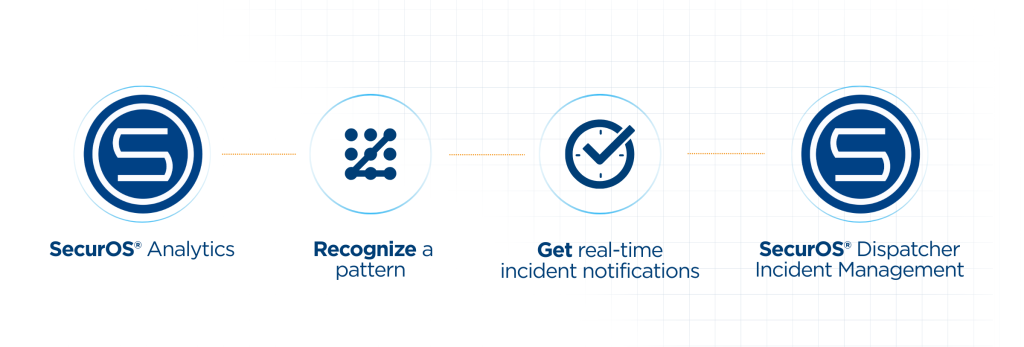
- Integrate dispatch workflows so alerts become action, not noise
- Maintain the system like it’s infrastructure, because it is
- Report results, including misses and false alarms, like an adult
That’s it. Not flashy. But this is how cities get safer quickly, and how they keep public trust while doing it.
Smart sensing is basically a promise to pay attention. Not just after the fact, but while things are unfolding. And when a city finally pays attention in real time, yeah, it can feel like safety improved overnight.
FAQ: The Role of Smart Sensing in Strengthening Safety Across Smart Cities
What does ‘smart sensing’ mean in the context of city safety?
Smart sensing refers to a city’s upgraded nervous system using various sensors to detect specific patterns and anomalies early, such as fights, gunshots, or infrastructure failures. This enables faster interpretation and quicker response from relevant teams like police, EMS, or public works, improving overall public safety outcomes.
How do acoustic detection systems help in crime prevention?
Acoustic detection systems, such as gunshot detection, can triangulate the source of a shot within seconds and alert dispatchers immediately. These sensors often provide the first report of an incident when residents might not call in due to fear or reluctance, enabling faster law enforcement response and potentially reducing harm.
In what ways does smart lighting contribute to safer cities?
Smart lighting goes beyond brighter bulbs by detecting outages instantly, adjusting brightness based on time and foot traffic, and eliminating dark zones where crime tends to cluster. This proactive approach reduces opportunities for trouble and enhances pedestrian safety during night hours.
How is AI-powered video analytics changing public safety monitoring?
AI-powered video analytics analyze camera footage in real-time to detect unusual patterns like a person lying motionless, rapid crowd formations, wrong-way vehicles, restricted area entries, or abandoned objects. This allows for quicker incident detection and response without relying solely on human monitoring.
What role does real-time traffic monitoring play in reducing collisions and pedestrian deaths?
Real-time traffic monitoring uses connected intersections with sensors that detect vehicles, bikes, and pedestrians accurately. It adapts signal timing based on actual presence, detects speeding and red-light violations to inform enforcement and street redesigns, and analyzes near-misses to proactively address dangerous spots before crashes occur.
How do emergency detection systems improve response times before 911 calls are made?
Emergency detection systems supplement traditional 911 calls by providing alternate channels of information through fall detection in public spaces, smoke and heat sensors in high-risk zones, water level monitors for floods, power outage detectors affecting signals, and panic buttons in vulnerable areas. These systems offer more accurate and timely alerts to responders for faster intervention.