
There’s a moment at every major airport where it feels like the whole building is holding its breath.
A bank of departures hits at once. Three widebodies land early. Weather gets weird somewhere far away and suddenly half the network is out of position. The security line bulges, gates get tight, baggage belts choke, and the arrivals hall starts doing that slow, stressed shuffle.
Peak travel chaos.
And yet, some airports handle it like it’s just another Tuesday. Not perfect. Still loud, still busy, still a little messy. But the operation keeps moving. Flights turn. Bags show up. Lines stay… not short, but controlled. The whole place feels strangely elastic.
That is not luck.
That is airport efficiency, built on a bunch of unglamorous systems, tight coordination, and now, increasingly, smart airport technology that predicts problems before passengers even notice them. For instance, video intelligence platforms are being used to enhance operational efficiency by providing real-time data and analytics.
The real problem with “busy” is that it is not evenly busy
A lot of people imagine airport congestion as a single big crowd problem. Like, too many people. Add more staff. Add more lanes. Done.
But the hardest part is the shape of demand. It arrives in spikes.
A hub airport runs waves. Airlines bank flights so connections work. That means 30 minutes of calm and then, boom, 2,000 people all trying to do the same four things at once.
- Check in or bag drop
- Security screening
- Border control and immigration
- Find gates, board, and push back
When that wave hits, every small inefficiency stacks. If security is slow due to outdated systems, passengers arrive late at gates. If gates are tight, turns get delayed. If turns get delayed, arrivals gates are occupied and inbound aircraft wait. Then bags are late because the belly doors open late. Then the baggage hall jams.
It is a chain reaction problem. A flow problem.
So smart hubs think less about “how many passengers” and more about passenger flow management. They treat the airport like a living network.
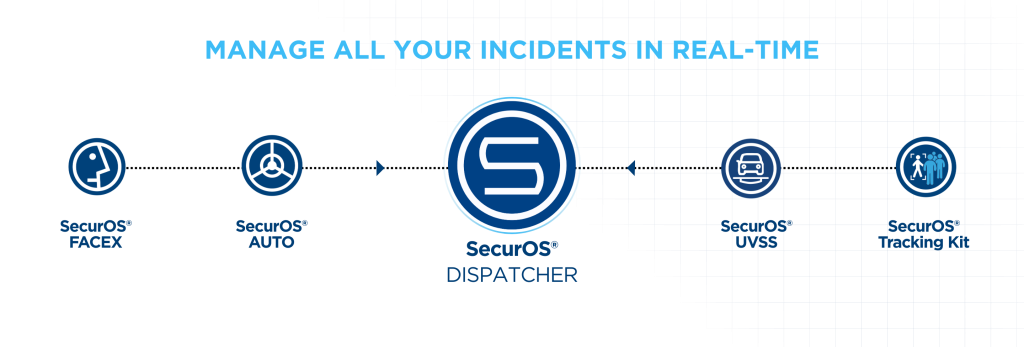
For example, Securos Dispatcher can streamline operations by optimizing resource allocation during peak times while Securos MCC can enhance security screening processes to handle high volumes efficiently.
Step one is knowing what’s coming before it arrives
Airport operations used to be reactive. The line is long, call for help. Gate change, announce it. Bag belt is full, stop the feed. That kind of thing.
Now the best airports run on airport predictive analytics.
They pull signals from:
- Flight schedules and live aircraft movement (A-CDM data in many regions)
- Booking and load factor estimates
- Real time queue length monitoring at checkpoints
- CCTV and computer vision in key pinch points
- WiFi and Bluetooth location pings for crowd density (privacy managed, ideally aggregated)
- Staffing rosters, breaks, and workstation availability
- Weather and air traffic flow management restrictions
- Ground handling milestones like “bags off” and “fuel complete”
Then they build a forecast, not just for flights, but for pressure. Where will congestion happen. When. And how bad.
This is where an airport operations control center turns into something closer to a network command room. Not just watching, but planning.
And yes, more and more of that planning is automated airport management software with decision support tools.
Smart security is less about faster machines and more about smart queue management
Security is where the public feels airport efficiency most directly. It is also where things go wrong the fastest.
The top performing hubs do a few simple things consistently.
1. Dynamic lane allocation
Instead of a fixed number of lanes, they flex.
If a wave hits from an international check in area, they open lanes earlier. If the wave is delayed by inbound connections, they hold lanes and redeploy screeners to staff assistance, bag recheck, or document check.
This is queue forecasting in airports. It is not glamorous, but it is powerful.
To enhance this queue forecasting, airports are increasingly leveraging advanced technologies such as video intelligence platforms. These platforms provide real-time monitoring and analytics that can significantly improve the efficiency of airport operations.
For instance, with Securos WebConnect, security personnel can access live video feeds from anywhere, allowing them to respond to incidents as they happen. This level of accessibility can drastically reduce response times during peak hours or unexpected situations.
Moreover, solutions like Securos Professional and Securos Enterprise offer advanced features such as AI-powered analytics that can predict potential security threats based on real-time data. This proactive approach not only enhances security but also contributes to smoother airport operations overall.
In conclusion, the integration of predictive analytics and advanced video intelligence technology marks a significant shift in airport operations from reactive to proactive management.
2. Automated queue monitoring
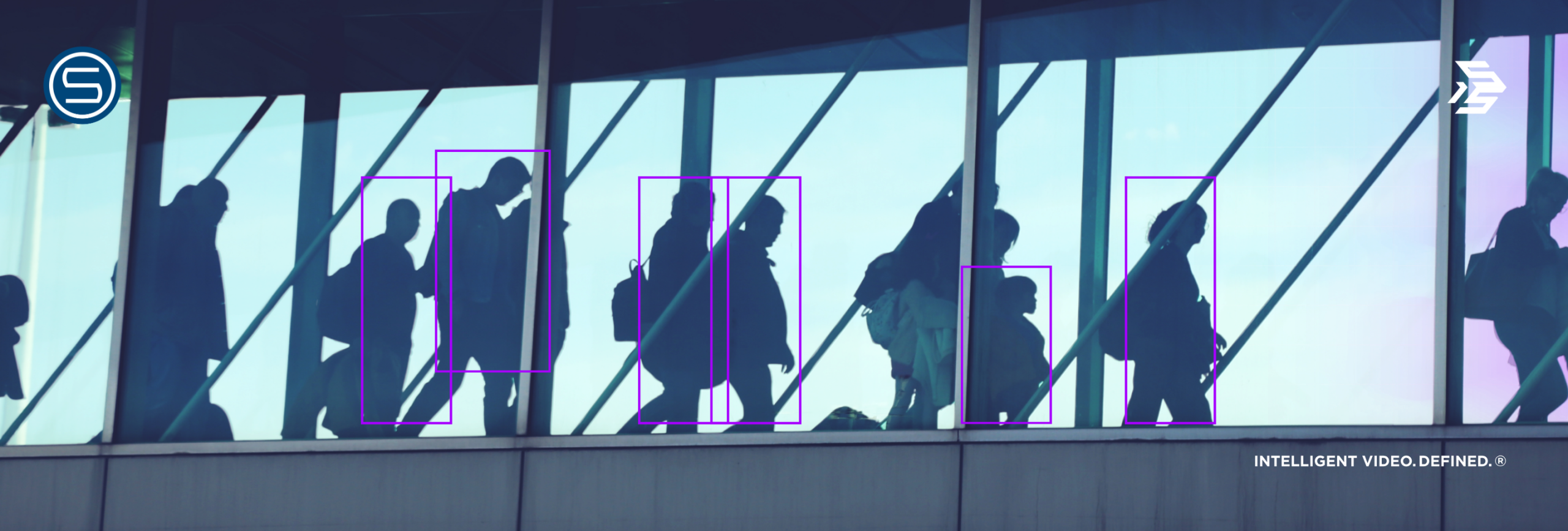
A lot of airports now use AI queue management. Cameras estimate queue length and wait time, alerting supervisors before the line becomes a headline. This video intelligence platform solution is a game changer in managing queues effectively.
That warning matters because staffing has friction. You cannot teleport people into lanes. But you can move breaks, open a spare lane, or switch a staff member from manual checks to divest assistance.
3. Segmentation that actually works
Premium lanes, family lanes, crew lanes, and assistance lanes are not just “nice to have”. They reduce variability.
Airports that manage passenger segmentation well reduce the number of outlier events that wreck throughput. Like one passenger with a complicated bag holding up an entire lane.
The keyword is throughput, not speed. The line can look long and still move well. That is the goal.
Biometric boarding and self-service are not gimmicks when they remove handoffs
People get tired of hearing about biometric airports, but here’s the real benefit: it removes handoffs.
A handoff is when a passenger has to stop and present something, and a staff member has to verify it. Those micro pauses become macro delays at scale.
So the smart hubs push:
- Self-service bag drop using solutions like Securos Mobile,
- Mobile boarding passes and digital IDs where allowed,
- E-gates for immigration and border control automation,
- Biometric boarding gates for high volume departures
Not every passenger uses them. Not every country allows them. Systems fail sometimes.
But even moving a chunk of volume into self-service reduces peak pressure. And when peaks are the whole problem, shaving the peak matters more than improving the average.
This is what airport digital transformation looks like when it is actually useful.
Turnaround efficiency is a team sport, not an airline sport
Airlines care about on time performance. Airports care about stand utilization and flow. Ground handlers care about getting the job done with the staff they have. Air traffic control cares about safe spacing and runway throughput.
During peaks, if these groups operate in silos, the airport becomes a rumor mill. Everyone acts late.
Smart hubs run collaborative decision making. In Europe you’ll hear A-CDM, Airport Collaborative Decision Making. Elsewhere it is the same concept, just called different things.
The idea is simple.
Share milestones and intentions so everyone can plan. Like:
- Target off block time
- Estimated in block time
- Deicing status
- Load close time
- Ready to push
- Runway sequence expectations
When information is shared, the entire network gets smoother. Even if nothing gets faster.
This is an important point. Airport efficiency is often about reducing uncertainty. Not necessarily adding capacity.
Moreover, leveraging video intelligence solutions can significantly enhance operational efficiency by providing real-time insights that help prevent incidents and streamline processes further.
Real-time communication matters more than fancy dashboards
One more thing that separates a smooth hub from a chaotic one is communication that passengers can trust.
If gates change, if queues spike, if connections are tight, people need clarity. Fast.
The best airports invest in:
- Real-time flight information display systems that update cleanly
- App notifications that are not spammy
- Wayfinding that makes sense when you are stressed
- Staff with handheld tools who can answer quickly
- Disruption messaging that includes options, not just apologies
This is passenger experience technology, but it is also operational. Because confused passengers create new bottlenecks. They stop in walkways, crowd podiums, miss boarding calls, swarm customer service desks.
Good communication is flow control.
How smart hubs actually handle the worst day
Peak chaos is not a theoretical scenario. It is a daily test.
So what do smart hubs do differently when things start to slip?
They do a few boring, effective moves:
- They shift resources before the line becomes ugly.
- They prioritize connections and aircraft rotations, not just the next departure.
- They protect gate availability like it is oxygen.
- They keep baggage moving even if it means changing the makeup plan.
- They coordinate with airlines and handlers through shared milestones.
- They communicate early, even when the news is not great.
And under all of that is a real-time airport analytics layer. A system that helps humans make better calls faster.
Because that is what an efficient airport is, in the end.
Not a place where nothing goes wrong.
A place that can absorb pressure, adapt in minutes, and keep the network moving when everything is trying to pile up at once.
To achieve this level of efficiency and adaptability, airports can leverage advanced technologies such as Securos, which offers an ultimate end-to-end video intelligence platform. This can enhance real-time communication and operational efficiency significantly.
A quick wrap up
Airport efficiency is not a single upgrade or one magic tool. It is a stack.
Predictive operations. Smart queue management. Better gate planning. Collaborative decision making. Strong turnaround processes. Baggage tracking. Flexible staffing. Clear communication.
Put those together and you get something that looks like calm. Even during peak travel chaos.
And honestly, if you travel enough, you start to recognize the difference the moment you walk in. The airport is busy, sure. But it is moving.
FAQs - Airport Efficiency
What causes peak travel chaos at major airports and how do some airports manage it efficiently?
Peak travel chaos occurs when multiple flights, such as a bank of departures or early widebody landings, happen simultaneously, compounded by factors like weather disruptions. This leads to congestion in security lines, gates, baggage belts, and arrivals halls. Efficient airports handle this not by luck but through well-coordinated systems and smart airport technology that predicts problems before passengers notice them, ensuring operations keep moving with controlled lines and timely flight turns.
Why is airport congestion more challenging than just having too many passengers?
Airport congestion is challenging because demand arrives in unpredictable spikes due to airlines banking flights for connections, causing waves of thousands of passengers performing tasks like check-in, security screening, border control, and boarding all at once. This wave effect creates a chain reaction where small inefficiencies stack up, affecting flight punctuality and baggage handling. Hence, managing passenger flow rather than just passenger numbers is crucial for smooth operations.
How do modern airports predict and manage congestion before it happens?
Modern airports use predictive analytics by collecting data from various sources such as flight schedules (A-CDM data), booking estimates, real-time queue monitoring via CCTV and computer vision, WiFi/Bluetooth crowd density tracking (with privacy considerations), staffing rosters, weather conditions, and ground handling milestones. This data helps build forecasts of where and when congestion will occur, allowing airport operations control centers to plan proactively using automated management software with decision support tools.
What role does smart security play in enhancing airport efficiency during busy times?
Smart security enhances efficiency primarily through dynamic lane allocation and automated queue monitoring rather than just faster machines. Airports flexibly open or close security lanes based on real-time demand waves to optimize resource use. AI-powered cameras estimate queue lengths and wait times to alert supervisors before lines become problematic. These strategies ensure smoother passenger flow and reduce delays during peak periods.
How are video intelligence platforms improving airport operational efficiency?
Video intelligence platforms provide real-time data and analytics that enhance operational efficiency by monitoring key pinch points like security queues and baggage areas. Solutions like Securos WebConnect enable live video access for quick incident response; Securos Professional and Enterprise offer AI-powered analytics for predicting potential security threats; Securos Dispatcher optimizes resource allocation during peaks; while Securos MCC enhances security screening processes. Together, these technologies shift airport management from reactive to proactive.
What are some examples of smart airport technologies used for better passenger flow management?
Smart airport technologies include video intelligence platforms that utilize AI to monitor queues and crowd densities via CCTV cameras; WiFi/Bluetooth location tracking for aggregated crowd movement data; automated queue forecasting systems that dynamically allocate security lanes; predictive analytics software integrating multiple data sources (flight schedules, staffing rosters, weather); and advanced management tools like Securos Dispatcher for resource optimization and Securos MCC for efficient screening processes—all designed to maintain controlled passenger flows even during peak travel times.