
Seaports throughout the GCC turn to the SecurOS® Video Intelligence Platform to streamline logistics and fortify security
The Customer
Major commercial seaports across the Middle East — including Khalifa Port in Abu Dhabi, King Abdul Aziz Port in Saudi Arabia, Old Doha Port in Qatar, and Sohar Port in Oman—manage immense volumes of containerized cargo, vehicle traffic, and cross-border logistics operations. As vital hubs of regional commerce, these ports process millions of containers annually and coordinate thousands of truck movements each day, highlighting the importance of efficient intelligent infrastructure management.
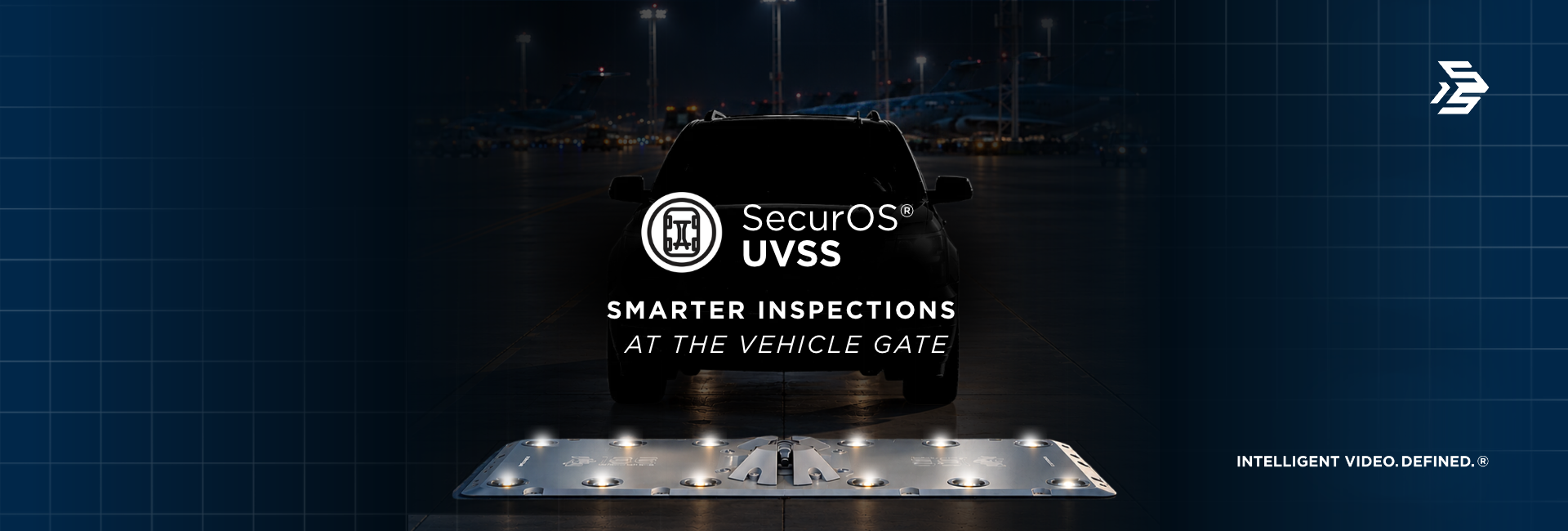
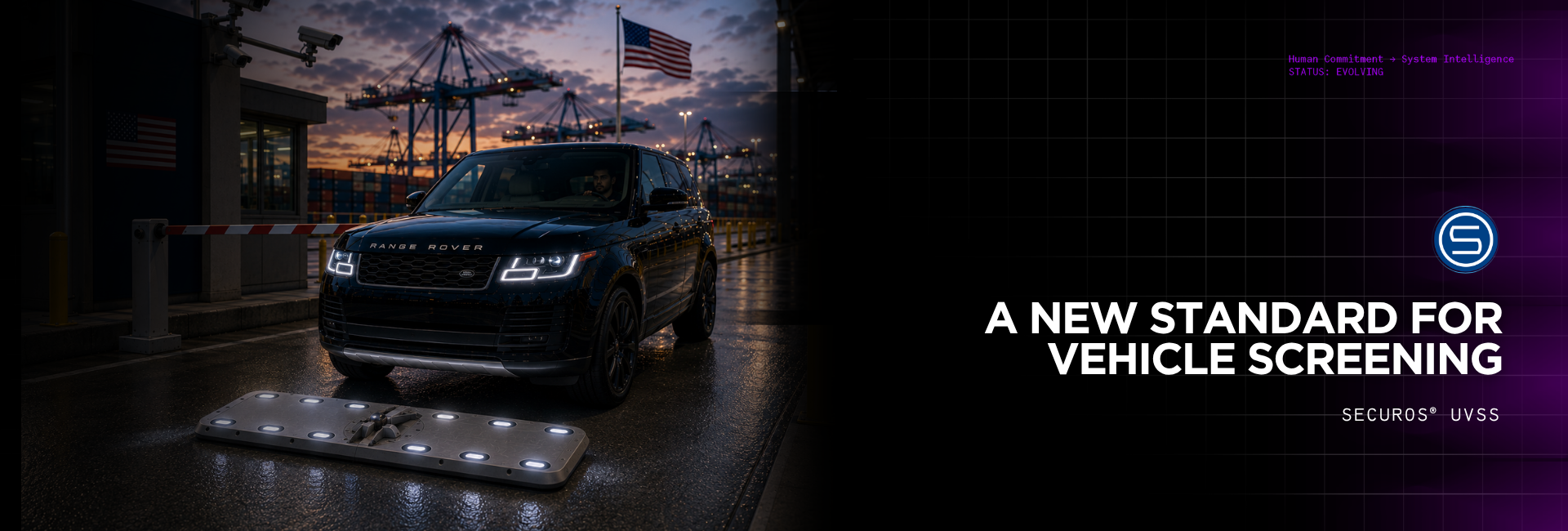
To streamline security and operational efficiency, these ports have implemented a fully integrated solution powered by the SecurOS® Video Intelligence Platform, which unifies multiple AI-driven modules into a centralized command system. Key components of the platform include a variety of SecurOS® modules including Enterprise (VMS), FaceX, Auto, UVSS, Cargo, and Cargo Terminal, delivering advanced monitoring and analytics capabilities.
The Challenge
Port authorities faced several operational and security challenges:
High traffic volumes
causing congestion at entry/exit gates
Manual inspection limitations
leading to delays and human error
Security risks
including smuggling, unauthorized access, and vehicle-based threats
Lack of system integration
between video surveillance, access control, and cargo systems
Limited visibility
into cargo movement and container tracking
System Architecture
The deployed system followed a layered architecture:
- Edge Layer: Cameras, UVSS scanners, and sensors at entry/exit gates
- Processing Layer: AI analytics (Face, Auto, Cargo)
- Platform Layer: SecurOS® VMS unifying all modules
- Integration Layer: Connection to TOS, access control, and customs systems
- Command Center: Centralized monitoring and control
All modules operate within a single unified interface, enabling operators to manage security and logistics simultaneously.
Implementation Highlights
- Deployment across multiple port gates and cargo terminals
- Integration with existing customs and logistics systems
- Phased rollout to avoid operational disruption
- Training for operators and security personnel
Results and impact
- Enhanced Security:Complete vehicle inspection coverage with enhanced threat detection and full traceability of vehicles, drivers, and cargo.
- Increased Operational Efficiency:Reduced vehicle processing time at gates,eliminating manual data entry for faster cargo clearance and turnaround.
- Improved Throughput:Continuous truck flow with higher gate capacity, reduced congestion, and a scalable system for future expansion.
- Data-Driven Decision Making:Real-time dashboards and analytics with historical data for audits and performance monitoring of terminal operations.
- Seamless Integration:Unified platform connecting security,logistics, and access control systems, reducing silos and operational complexity.
Key Success Factors
- Unified platform approach (single ecosystem vs. multiple vendors)
- AI-driven automation replacing manual processes
- Scalability to handle large port environments
- Interoperability with third-party and legacy systems